Alumni Spotlight - Patrick Short
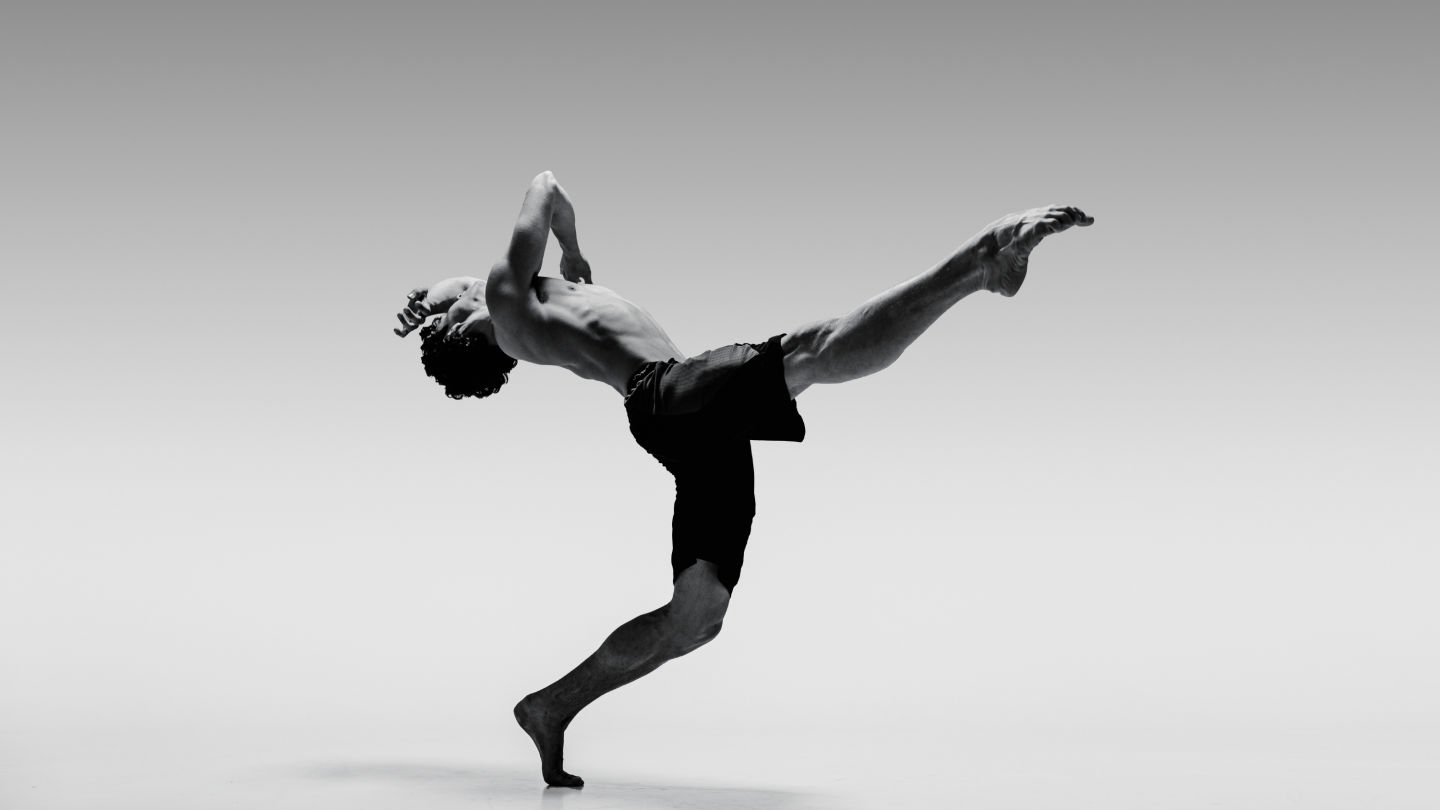
This Academy alum charts a bold path from Brisbane to Germany and Sweden, shifting from classical training into Europe’s contemporary dance world. Patrick shares insights into company life, cultural discoveries, creative highlights, and how the Academy's foundation of discipline, technique and resilience continues to shape his growing international career.
Image credit - Dean Barucija
How old were you when you started dancing and what first drew you to ballet?
I started dancing properly around the age of 12, when my little sister needed someone to go with her to class. Although I was slightly reluctant at first, I quickly became fascinated with the art form. Dancing gave me a place where an uncoordinated kid like myself could feel free.
Where has your dance journey taken you since graduating from the Academy of Queensland Ballet?
After graduating from Level 1 at the Academy of Queensland Ballet (formerly known as the Queensland Ballet Academy) in 2021, I decided to pursue a more contemporary route. I had started feeling more frustration than pleasure in my dancing, and I knew a change was needed if I wanted to continue. With the help of the late Louise Deleur, who connected me with Jason Beechey — then director of the Palucca Hochschule für Tanz in Dresden, Germany, I was fortunate enough to be offered a six-month guest position at Palucca to see if it was the right fit. During those six months, I worked with the incredible professors at Palucca and was exposed to the European dance scene. My mind was blown and I was completely hooked. Three years later, after graduating with a Bachelor’s degree with honours in June 2025, I joined Skånes Dansteater in Malmö, Sweden, as an apprentice for the 2025/26 season, which has been nothing short of an incredible experience. As of the 2026/27 season, I’ll be joining Dance Theater Heidelberg in Germany, under the new direction of Tim Plegge, something I’m incredibly excited about.
What does a typical day for you look like?
A typical day at Skånes Dansteater begins with class at 9.15am. This could be ballet, contemporary, Gaga, counter technique, yoga, or improvisation. We’re very fortunate to have guest teachers every week or fortnight, which keeps us fresh and versatile. After class finishes at 10:30am, we take a short break before starting rehearsals or creative work, depending on which production is coming up. The day will the often conclude at 4:30pm. At Skånes Dansteater, there are multiple projects running simultaneously, so each day or week can look quite different.
What is the culture and lifestyle like?
I’ve been very fortunate to have lived in Germany for nearly four years and now in Sweden for roughly a year. German and Swedish cultures are quite different, yet they share many similarities. Germans can seem rough around the edges at first, but once the sun comes out, the country feels completely transformed, you’re met with smiles everywhere. People sit in parks as if they’re at the beach, playing games and having picnics. One big cultural shock was that around 90% of shops are closed on Sundays. They truly value their day of rest, so you have to be organised. That’s the German way. Swedes are similar in some ways, but they especially cherish “fika”, a scheduled time in the afternoon to sit with colleagues or friends and enjoy coffee and cake. They have a deep love for sweet pastries and drink enormous amounts of coffee.
Any challenges you weren’t expecting?
One challenge I definitely wasn’t prepared for was the weather. The cold in Germany and Sweden is no joke and neither is the lack of sunlight. Going nearly four months with barely any sun really affects your energy and mood, especially when you’re training and rehearsing every day. You really have to find the sunlight through your art and the people you surround yourself with :).
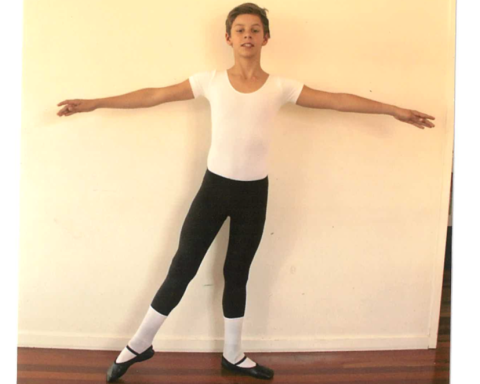
Patrick as a young aspiring dancer.
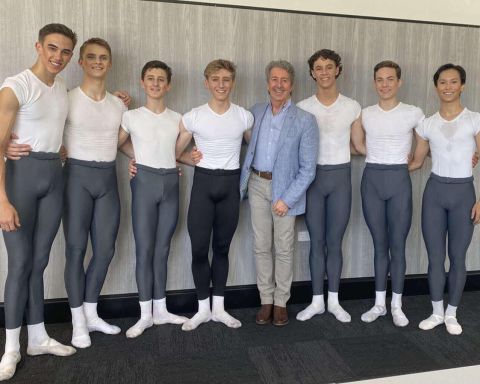
Patrick with his fellow Academy classmates and Ballet Master Paul Boyd in 2020.
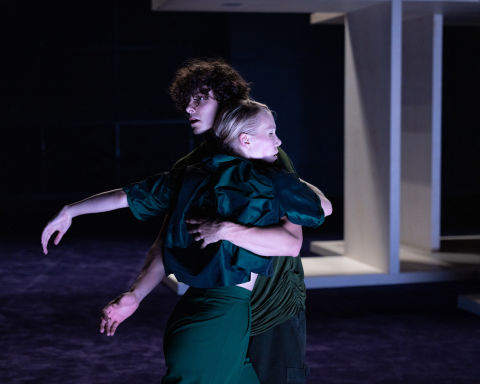
Patrick performing in “like a shadow, I am and I am not”, choreographed by Ina Christel Johannessen. Photography by Yaniv Cohen.
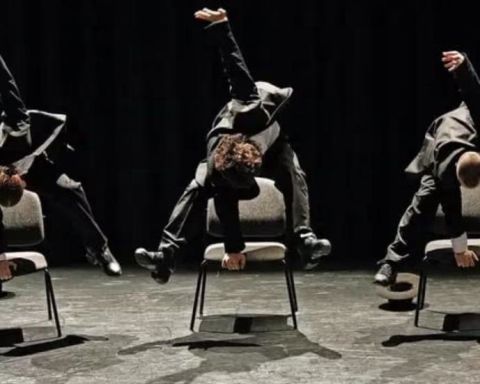
Patrick performing in “Echad Mi Yodea”, choreographed by Ohad Naharin. Photography by Ida Zenna.
Highlights of your experience so far?
I've been lucky enough to have been involved in many exciting productions and performances over the last few years. Dancing and creating “like a shadow, I am and I am not” by Ina Christel Johannessen in which I gain an incredible understanding of improvisation and composition. Dancing in Ohad Naharin Echad Mi Yodea provided me with an intense experience of the Gaga method. Some other highlights would be performing in Galas’ throughout Europe in city’s such as Prague, Dresden and Leipzig.
How did the Academy of Queensland Ballet prepare you for a professional career, on and off the stage?
The Academy prepared me for the dance world by giving me a really strong classical foundation. Having that solid technical base meant that when I transitioned into contemporary and moved to Europe, I had something reliable to build on.
Reflecting on your time at the Academy, what were the most important things you learned?
Looking back at my time at the Academy one of the most important things that was instilled in me was a strong work ethic. There was a clear understanding that improvement doesn’t just happen, you must work hard. A teacher of mine once told me “failing to prepare is preparing to fail” and that really stuck with me. That mindset helped me realise early on that consistency, discipline, and preparation are just as important as talent.
Any favourite moments?
Honestly I have too many favourite moments from my days at the Academy. Most of the friendships I built while attending the Academy have stayed strong even from 17,000 kilometers away. Some now dance for Queensland Ballet or have ventured overseas like me. I will forever treasure my time there.