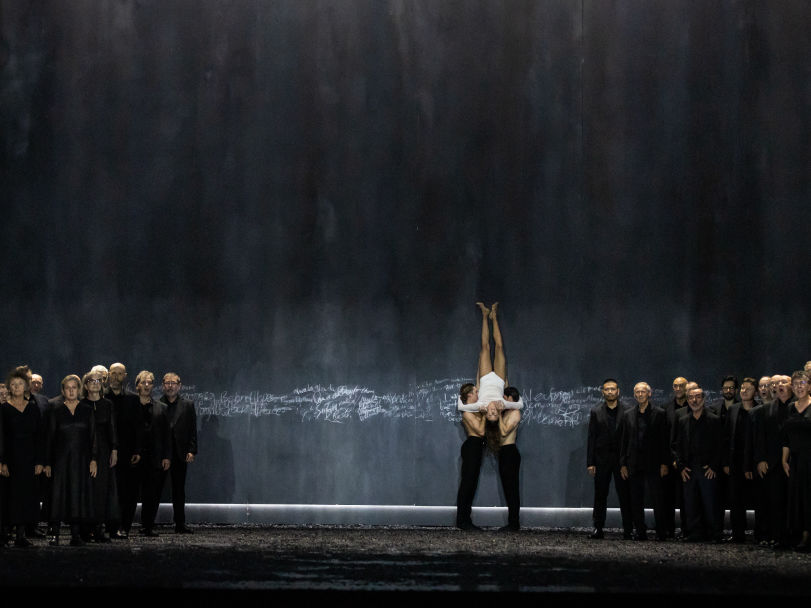











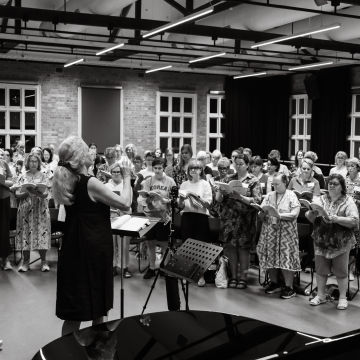

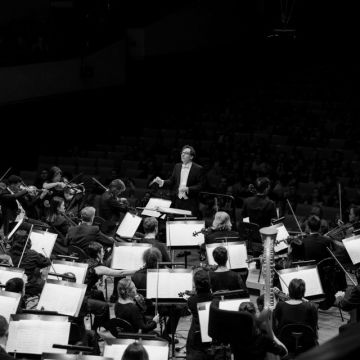

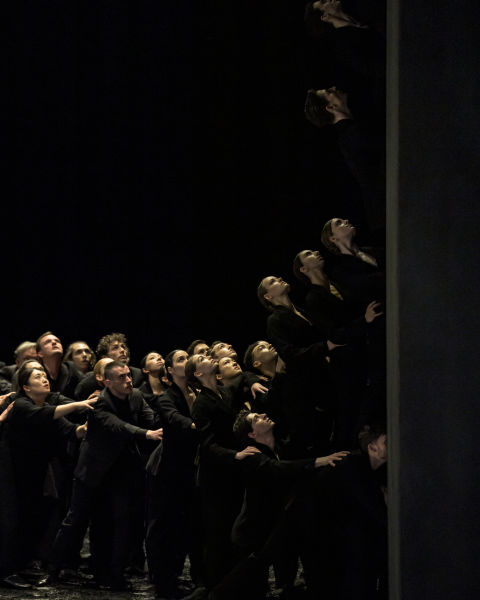
Giuseppe Verdi’s Messa da Requiem (1874) is one of the most powerful and emotionally charged works ever written for live performance. Scored for four vocal soloists, double choir, and orchestra, it transforms the traditional Catholic funeral mass into a gripping human drama.
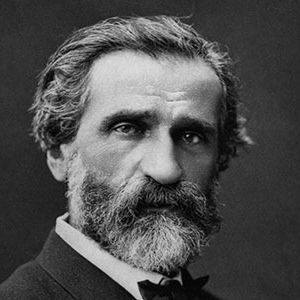
Verdi composed the work in memory of the revered Italian writer Alessandro Manzoni, whose ideals deeply moved him. The Requiem unfolds like a vast operatic journey: intimate, terrifying, tender, and ultimately searching.
It is divided into seven main sections, each with its own vivid character:
Requiem et Kyrie opens in hushed, shadowy tones, the choir almost whispering, before the four soloists rise together in a passionate plea.
Dies irae, the work’s most famous movement, erupts with explosive force. Crashing bass drums and blazing brass evoke the terror of Judgment Day, creating one of the most thrilling moments in all of choral music, and notably adopted through cinema for that very reason.
Offertorio offers a moment of calm reflection, with the soloists weaving lyrical, heartfelt lines.
Sanctus bursts forth with joy and energy in a dazzling eight-part fugue for double choir.
Agnus Dei is spare and haunting, led by the soprano and mezzo-soprano in a prayer of quiet purity.
Lux aeterna brings a darker, inward mood, sung by mezzo-soprano, tenor, and bass.
Libera me, the dramatic finale, returns to the fearsome Dies irae before fading into a fragile, whispered plea for peace and deliverance.
By turns overwhelming and deeply personal, Verdi’s Requiem is an unforgettable experience even for audiences new to classical music.